Award-winning programs + flexible booking! Apply today
Medical Volunteering in Tanzania - Arusha

Medical Volunteering in Tanzania - Arusha

Purpose
Improve access to quality healthcare
Start dates
Programs start on the 1st and 15th of every month
Duration
Choose from 1-16 weeks
Volunteer hours
Up to 6 hours a day
Age
Volunteers aged 18+
Accommodation
Volunteer house or homestay
Apply for free
'Who is going' users image
Who is going?
Group video calls

Once you have secured your place, join regular video calls to meet your Program Manager and other volunteers before your trip.

New banner

This program is ideal for:

Qualified professionals or volunteers who are in their third or subsequent year of medical or nursing school. Paramedics, EMTs and CNAs are also welcome, however it’s important to note that you’ll be volunteering in a general practice clinic or hospital, rather than working within your field.

Project details

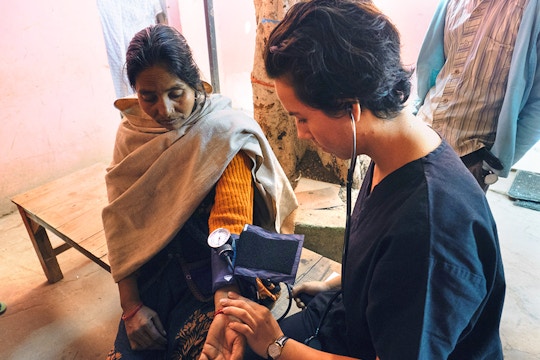
Want to be a Medical volunteer in Tanzania? International Volunteer HQ’s Medical project is an exciting opportunity for volunteers to help improve access to healthcare for low-income communities in Arusha. Volunteers gain medical experience by shadowing local professionals at either a clinic or hospital and may also be able to take part in medical outreach campaigns in local villages.

What to expect and how you'll make an impact

In many poor communities in Tanzania, healthcare is not easily accessible or affordable. The Medical volunteer project aims to change that by placing volunteers in medical facilities that serve vulnerable people.

As a Medical volunteer you’ll work in health centers and both governmental and private hospitals based in Arusha city, primarily shadowing local medical professionals and assisting with daily duties. Local regulations and language barriers mean volunteers are unable to perform independent tasks; however, you can observe healthcare in action in a developing country and help where permitted. Your placement will be determined by local medical professionals based on your previous experience and training.

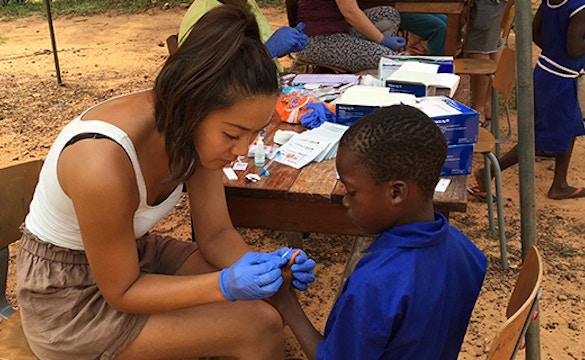
Work can be hands-on depending on placement, the need at the time and your medical experience and education. Some hands-on work might include assisting with surgery or delivery, HIV testing, stitching, wound care and other basic medical care.

Please see below a list of departments where medical volunteers can work on rotation or stick with one, depending on the need at the time :

  • Out Patient Department (OPD)
  • In Patient Department (IPD)
  • Family Planning
  • Laboratory
  • Dental
  • Ophthalmology
  • Pharmacy
  • Labour and delivery
  • Antenatal
  • Pediatrics
  • Midwifery
  • Surgery (Minor Theatre and Major Operation)
  • Tuberculosis Department
  • HIV Department
  • Diabetic Clinic
  • Hypertension Clinic
  • Mental Health Department

You shouldn’t expect all placements to offer all the above departments, however, if you have any preferences with regard to the work you are helping out with, please feel free to note it in your application. The local team will take this on board as best as they can, although it’s important to be flexible as we cannot guarantee that you will work on your chosen department.

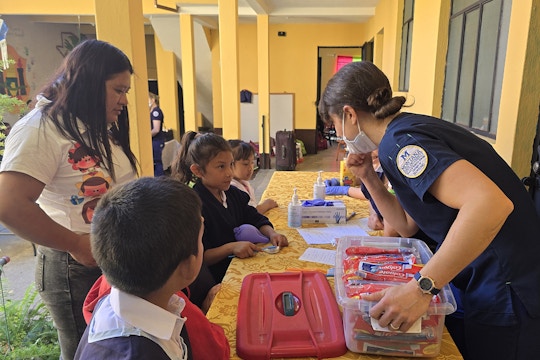
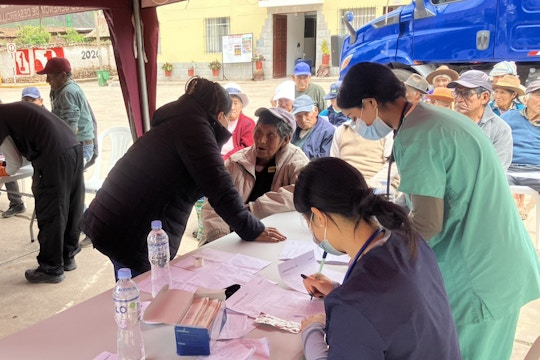
You may also be able to take part in Medical Outreach campaigns twice a week. Campaigns take place in local villages, delivering basic medical care which is not often available. On the day, volunteers are transported to either a community group that has been organised to offer free medical support or they will visit a number of homes in a rural area nearby Arusha to assess patients. They are escorted and assisted by a registered nurse, a social worker and a local team staff member for translation purposes.

These campaigns are fully arranged and funded by volunteers, and you’re welcome to reach out to your Program Manager for more information about these.

Contributes to United Nations’ Sustainable Development Goal #3: Good Health and Well-Being

Contributes to United Nations’ Sustainable Development Goal #3: Good Health and Well-Being

Good mental and physical health is key to sustainable development and building healthy and happy communities. Now more than ever, we must increase access to free healthcare and health education across the globe to achieve an acceptable standard of living and wellbeing for all.

Why do Medical volunteering in Arusha with IVHQ?

As a healthcare volunteer in Tanzania you’ll be adding value to the local community, while also developing personally and professionally by:

  • Improving access to healthcare for low-income communities
  • Learning about a medical system in a developing country
  • Developing your communication skills
  • Gaining medical experience
  • Immersing yourself in Tanzanian culture
  • Discovering Africa’s incredible wildlife

Volunteer requirements

Volunteers must be in their third year or later of medical, nursing or dental school, or be a qualified professional. CNAs, midwives, paramedics, and fully qualified EMTs are also eligible to participate.

Volunteers must be 18 years or older to join this program. If you are under 18, IVHQ offers alternative volunteer opportunities for teens. Visit our High School Volunteer Abroad page for more details.

Volunteers aged over 18 on their start date are required to provide a criminal background check to IVHQ before departure.

All volunteers must speak English and have adequate volunteer travel insurance.

Are you eligible to volunteer?

Submit a free application so we can confirm your eligibility and check availability for your preferred dates.

Apply for free

Not sure which program to join?

Get personalized recommendations >


'Who is going' users image
Who is going?
Group video calls

Once you have secured your place, join regular video calls to meet your Program Manager and other volunteers before your trip.

New banner

Academic course credit

Academic course credit through International Volunteer HQ and Intern Abroad HQ.

Academic course credit

Gain course credit from your college or university and meet your academic requirements when completing a volunteer abroad program with International Volunteer HQ!

Learn about course credit

Location

Volunteer Abroad in Tanzania with IVHQ

Location

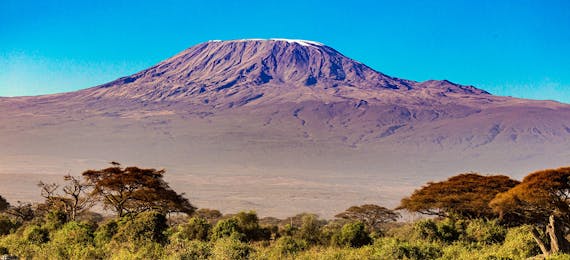
The IVHQ Tanzania volunteer program is based in Arusha, a small city often used as the base of many safari trips into the Serengeti and other national parks. It’s also near Africa’s highest mountain, Mt Kilimanjaro. Tanzania as a whole is known for its seemingly boundless areas of wilderness where African animals roam, sometimes migrating in vast groups across the plains; and also being the country where the oldest human skull and even older fossils of human ancestors were found.

Despite its many attractions, communities in many parts of Tanzania still lack access to the basic necessities of life. Volunteer projects based in rural and urban areas around Arusha and nearby help to provide better access to healthcare, education and childcare.

Arrival and orientation

The program orientation begins on the 1st and 15th of every month and volunteers need to arrive in Arusha on the day before orientation.

After you have registered for the program, please book your flights to arrive at Kilimanjaro International Airport (JRO) or Arusha Airport (ARK) in Arusha. Your airport pick-up is included in your program fee. We recommend that volunteers under the age of 18 travel internationally with a notarized letter from their parents to support their documentation. When you arrive, you will be greeted at the airport by a member of the local team and transported to the volunteer accommodation in Arusha. Your accommodation is covered by your program fee and includes the night before your program orientation.

If you are travelling in Tanzania prior to your volunteer program, we can arrange for you to be picked up in Arusha on the day before your program orientation. Orientation is hosted by our local team at one of the volunteer houses in Arusha. Orientation begins on the morning of your chosen start date. If your start date falls on a weekend or a public holiday, your orientation will begin on the Monday or day following the public holiday. Orientation covers everything you need to know for your volunteer program in Tanzania – an introduction to Tanzania, Tanzanian customs, rules and expectations, language lessons (Kiswahili), safety, travel opportunities in Tanzania, and an introduction to your project and placement. The orientation will also give you a chance to meet other volunteers and swap contact details for weekend travel and socialising.

Volunteer schedule example

First Day

On the first day of the volunteering placement, you will be escorted to the project by our local staff and introduced to the staff at the project you will be working with.

Weekdays

Work and hours are dependent on the project and placement that each volunteer is working at. A typical volunteer day would be as follows:

7:30 AM Breakfast at the volunteer house or homestay.
8:00 AM Volunteers leave home and travel to their placements. Work and hours are dependent on the project and placement that each volunteer is working at.
2:00 - 5:00 PM Work at the placement usually ends. Volunteers are free to travel home for lunch at their accommodation, prepare for the next day or do some shopping and sightseeing.
8:30 PM Dinner at the volunteer house or homestay

Please note that the schedule may occasionally change due to weather, public or school holidays, or other unforeseen events that could affect your placement. We recommend checking in advance whether your intended travel dates coincide with any public or school holidays.

Weekends

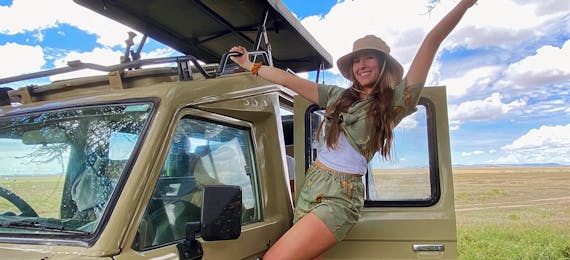
Tanzania is a wildlife lover’s dream. In your free time you can venture out on a safari and see Africa’s Big 5 - lions, elephants, buffalo, leopards and rhino - as well as the mind-blowing number of other species that call Tanzania home.

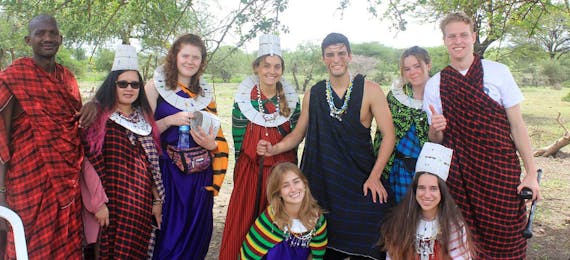
In Arusha itself you can find great markets, take a few days to hike up the nearby Mt Meru, or learn about the Maasai and Meru tribes of the area. You can also take take a short flight down to Zanzibar and make your own arrangements for a weekend of sun and sandy beaches or save some time before or after your program to climb Mount Kilimanjaro.

Accommodation and WiFi

Volunteers in Tanzania are accommodated in dorm-style volunteer houses or homestays located in Sakina, Arusha. The local team currently hosts volunteers in three volunteer houses, typically for younger volunteers, and two homestays, often preferred by families and mature volunteers.

In the volunteer houses, volunteers share a room with one to nine others of the same gender, with most rooms accommodating up to six people. Homestays can accommodate up to 10 volunteers, with rooms also separated by gender and a maximum of four people per room.

Living conditions in Arusha are basic but comfortable. Both volunteer houses and homestays have running water and electricity. Toilets and showers are Western-style, though power outages are common, which can affect the availability of hot water and electricity.

During the busy months of January, June, July, and August, volunteer accommodations in Arusha can reach full capacity. To ensure everyone is comfortably accommodated, some volunteers may be placed in a fourth volunteer house or, alternatively, in a nearby hotel offering dormitory-style rooms separated by gender. In the house, volunteers can expect to share a room with up to nine others, while hotel rooms typically accommodate up to seven.

Wifi is not available at homestays, and although volunteer houses have wifi, it is slow and unreliable. To stay connected, we recommend purchasing an e-SIM before arrival or bringing an unlocked mobile phone and buying a local SIM card in Tanzania. The local team can assist you with purchasing a SIM card and data during your program orientation. Complimentary wifi is available at the hotel.

If you wish to arrive before your recommended arrival date or extend your stay, extra nights at the standard accommodation can be arranged for US$40 (approximately AU$63) per person, per night. Extra nights include three meals a day, are subject to availability, and bookings can be requested by registered volunteers via their profiles.

For added privacy and comfort, private room upgrades are available year-round at a nearby hotel for an extra cost. These rooms can accommodate one or two persons and offer private bathrooms. They are subject to availability and can be booked as an add-on through your MyIVHQ account after registration.

Meals

Tanzanian cuisine varies across the country due to differences in produce found inland and along the coast. The immigration of Khoja Indians has introduced Indian flavors to local dishes. Staple foods in Tanzania include rice, ugali (maize porridge), chapatti, and beans. Rice and beans are significant components of meals, so expect to be served these often.

Volunteers are provided with three meals a day. Breakfast typically consists of eggs served with pancakes, mandazzi (deep-fried dough balls), or cake, along with plenty of fresh fruit, bread, and a selection of jams and other spreads for toast. Lunch and dinner usually feature a traditional meat dish (chicken or beef) alongside a vegetable dish, beans, lentils, or cooked vegetables served with rice, pasta, chips, or chapatti.

Meals are prepared for volunteers by host families at homestays and by cooks at the volunteer houses. Those accommodated in the hotel, whether in private room upgrades or during the busy season, will receive their meals on-site. Lunch boxes and sandwiches can be provided upon request if your placement is scheduled to finish after lunchtime.

Bottled water is readily available in Tanzania, and volunteers should budget approximately US$5 per week for 2 liters a day. Filtered water is also available at the accommodations, and you can choose between purchasing bottled water or using the free filtered water provided in the houses.

If you have any special dietary requirements, please inform us so that the local team can make arrangements for you. They can provide vegetarian meals and options that are dairy-free, gluten-free, and nut-free. However, vegan, halal, and kosher options are not available.

Keep in mind that your eating experience may differ from what you’re accustomed to at home. The local team will do their best to accommodate your needs and ensure volunteers are well taken care of, but it’s essential to remain flexible.
Pricing

  • USD

Spots are limited. For a Registration Fee of just US$329 (approximately AU$523) you secure your spot and unlock all our preparation and training tools.

You don't need to worry about paying your Program Fee until you get closer to your start date.

Duration
Program Fee
Due 30 days before you start, or within 48 hours if you register inside of 30 days. Covers the cost of hosting you.
  • USD
1 week $420 Equivalent to $60/day
2 weeks $620 Equivalent to $44/day
3 weeks $875 Equivalent to $42/day
4 weeks $1,140 Equivalent to $41/day
5 weeks $1,405 Equivalent to $40/day
6 weeks $1,670 Equivalent to $40/day
8 weeks $2,200 Equivalent to $39/day
10 weeks $2,730 Equivalent to $39/day
12 weeks $3,260 Equivalent to $39/day
16 weeks $4,320 Equivalent to $39/day
  • All programs attract a Registration Fee of US$329 (approximately AU$523) in addition to the Program Fee. This covers all pre-departure support services.
  • A 5% international banking fee is added at point of payment.
  • Independent volunteers under the age of 18 will have an additional cost of US$80 per week added to their program fee to cover extra logistical support provided by the local team, including transportation to and from placement each day and airport drop-off.
  • Additional things to budget for include: Visa, flights, travel insurance (mandatory), vaccinations, criminal background check, transport to and from your placement each day and return to the airport when your program finishes.
  • Recommended spending money: Volunteers in Tanzania generally find US$75-100 per week to be sufficient for expenses.
  • Breakfast, lunch and dinner
  • Airport pick-up
  • US$50 per week for the medical placements to cover additional supervision, materials and logistics involved
  • Accommodation
  • 24/7 in-country emergency support
  • In-country program orientation
  • Pre-departure support from your Program Manager
  • Personalised preparation tools, guides and check lists
  • Access to IVHQ’s preferred insurance and flights partners
  • Comprehensive in-country day to day support and guidance
  • Discounts on travel and tour add-ons
  • Certificate of International Volunteer Service

Learn more about what's included in your IVHQ Registration Fee and Program Fee.

  • Return to the airport when your program finishes
  • Transport to and from your placement each day
  • Flights
  • Visa (if required), travel insurance (mandatory), vaccinations, criminal background check.
  • Personal spending money for snacks, laundry, public transportation, drinks and leisure activities during your free time.

Popular add-ons & experiences in Arusha

Take your volunteer experience to the next level with these popular add-ons and experiences. Explore your options below and learn how to book them once you've been accepted onto the IVHQ Arusha program.

Popular
Kifaru Safari
Kifaru Safari

A 2 day safari in Tarangire National Park and Ngorongoro Crater where you will have the opportunity to see amazing wildlife in their natural habitat.

AU$562
Popular
Kilimanjaro Day Hike

Experience the Roof of Africa: One-Day Hike to Mandara Point with Stunning Scenery and Wildlife Encounters

AU$315
Popular
Maasai Village Tour
Maasai Village Tour

Gain an authentic insight into the Maasai way of life on a full day tour to Maasailand.

AU$191

Check what's required to visit Tanzania

Entry requirements can change at any time, so it's important you monitor this right up until you depart for your trip.

Safety and support

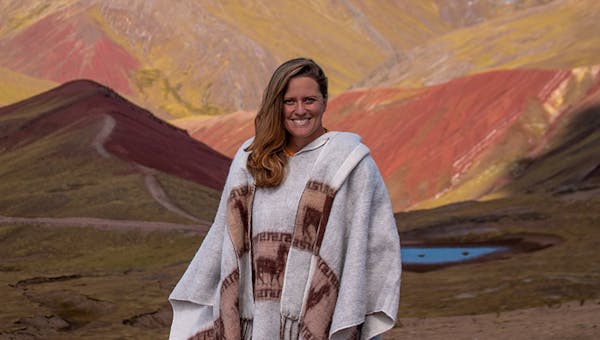
A smiling volunteer traveller wearing a traditional Andean poncho stands in front of the breathtaking Rainbow Mountain in Peru. The landscape features vibrant red, yellow, and green hues across the mountains, with a small lake visible in the background.

Safety and support

IVHQ follows best practice and industry-leading health and safety procedures, which are regularly reviewed and optimized as part of the B Corporation recertification.

  • All volunteers encouraged to complete our interactive pre-departure training.
  • All local teams trained on best practice volunteer management & First Aid.
  • All IVHQ programs are required to adhere to IVHQ's Risk Management Policy.
  • All volunteers have access to 24/7 in-country support from our local team.
Learn more about IVHQ's safety

Essential country information

Essential country information

Capital Dodoma
Population 58 million
Languages Swahili and English
Currency Tanzanian Shilling (TZS)
Time zone UTC+03:00

Weather and climate

Tanzania is hot throughout the year and is humid on the coast and dry on the central plateau. The heavy rains last from March to June and can make unsealed road travel difficult. The hot, dry weather in January and February attracts the most tourists. The best time to visit the Serengeti is from January to March, when the grazers are calving and there are plenty of lions around. Or witness the wildebeest migration to and from Kenya, which occurs at the onset of the dry season and again with the first rains, usually around the beginning of June and mid-November.

What recent volunteers said about their IVHQ experience

ES
Ella Steward

Volunteering in Tanzania was the best decision! There is so much to take away from the experience, immersing in a new culture, meeting people from around the world and having a positive impact.

...
AB
Amali Batson

My time volunteering in Tanzania was the most incredible experience, and I honestly feel that I gained more than I could have ever given or helped. This opportunity has forever changed me and my outlook on life. I am forever grateful for the things I learnt and also the family I made during my time abroad.

...
CP
Charlotte Peeters

I love the friends that I met during my time in Arusha. I already miss everyone and would go back in a heartbeat. It was also very inspiring to see the conditions of the hospital. It was nice to see how they made do with the little resources they had.

To someone in doubt i would say: don't be afraid to make the step, because it was the most amazing thing I did and I can’t wait to do it again.

...
ED
Eline Derkoningen

I feel like I’ve learned a lot from my experience. I’ve also gained a lot of friends and memories which I will cherish forever. I really want to go back to Arusha next year. I would definitely recommend the program.

Make sure to ask enough questions if you are unsure when preparing for your trip. Also talk to the other volunteers, coordinators and mamas if you need any help. Everyone is very kind. I never felt unsafe in Arusha, even when walking alone.

...

To read all reviews, visit our reviews page.

Apply to check if you're eligible!

Other projects you may be interested in

How to get started

Pick a destination + project and apply for free
Meet your personal volunteer travel expert
Pay the Registration Fee to secure your place and upgrade your MyIVHQ account
Get ready to volunteer abroad, we’ll support you every step of the way!
Message us for more information

Still have questions? Let's talk!

We're here to answer all your questions so you feel 100% confident and ready for an unforgettable experience.