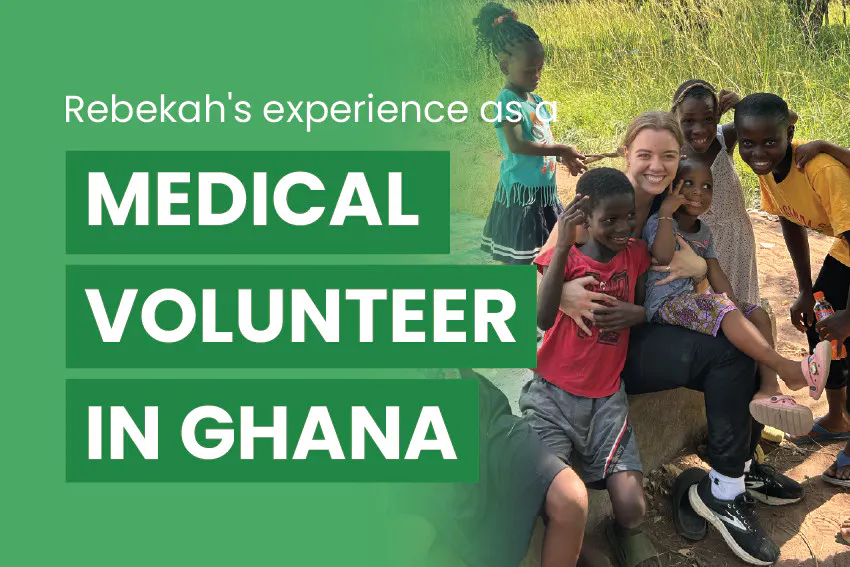
Medical volunteering in Ghana offers aspiring healthcare professionals the opportunity to gain hands-on experience while immersing themselves in a deeply rewarding cultural exchange. For nursing student Rebekah De Wolf, volunteering in Africa was not just about clinical exposure, but about learning presence, service, and compassion in their truest forms.
This first-hand account explores what it is really like to volunteer in Ghana as a medical student, from daily clinic life to lessons that continue long after returning home.
What Inspired You to Choose Medical Volunteering in Ghana?
Since the age of 14, I had wanted to serve on a medical mission trip to Africa. As a nursing student, I felt called to use my education, skills, and passion for healthcare to serve others in a meaningful way.
Medical volunteering in Ghana felt like an opportunity to use my years of schooling for good while deepening my understanding of the heart of nursing. I believe volunteering equips me to better serve my future patients by grounding healthcare in service, compassion, and presence.
What Were You Expecting Before Arriving to Volunteer in Africa?
Before arriving in Ghana, I expected clinic days to feel similar to those in the United States. I assumed we would be busy from morning until late afternoon, constantly on our feet and completing standard nursing tasks.
I expected to assist with taking vitals, providing vaccinations, performing assessments, and caring for injuries. Like many medical students volunteering in Africa, I anticipated productivity and efficiency to define the experience.
What Does a Typical Day Look Like for a Medical Volunteer in Ghana?
What Happens During Clinic Hours?
Our day started with breakfast at 7:30am, followed by travel to local medical clinics around 8am. At the clinics, we served as an extra set of hands for the healthcare staff.
We assisted with simple medical tasks such as malaria testing and antenatal follow-ups. Most clinic work finished around early afternoon.
How Do Medical Volunteers Spend Their Afternoons?
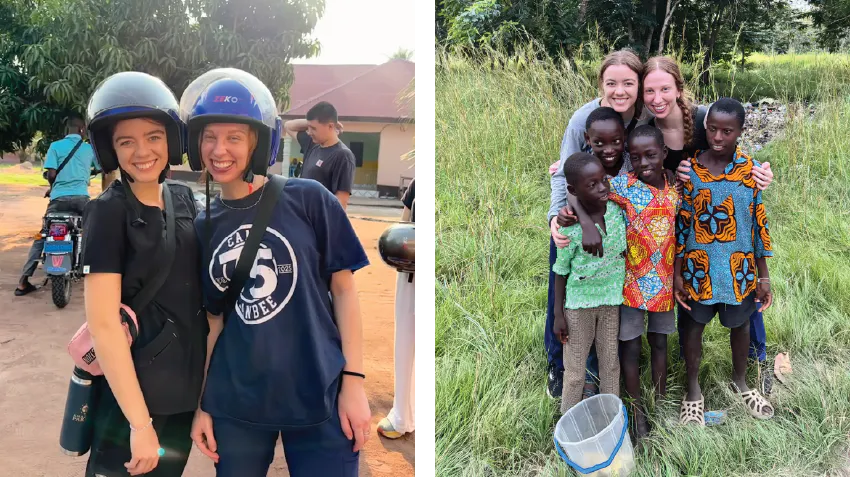
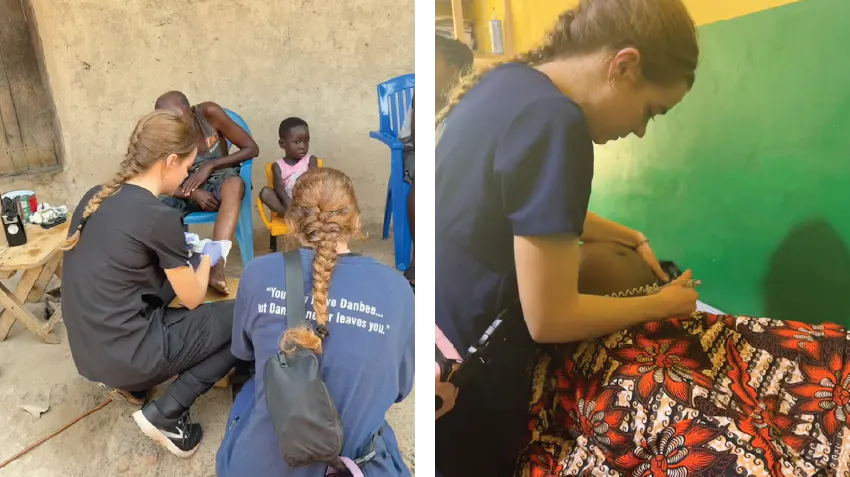
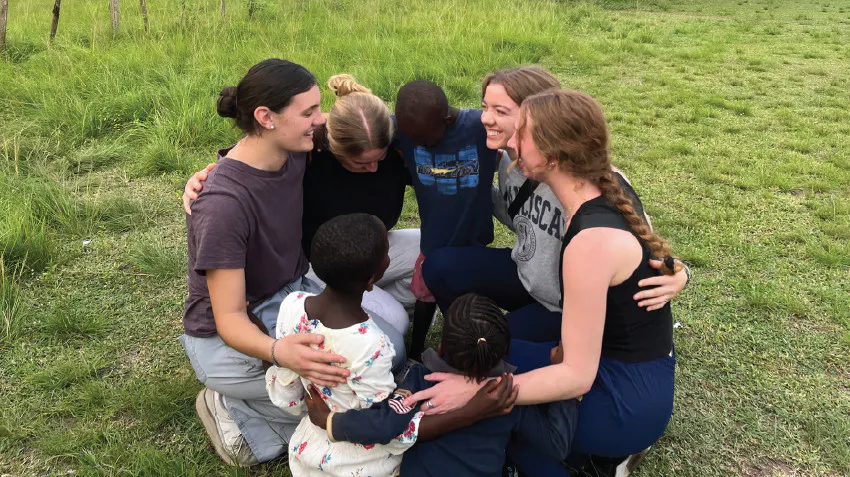
After returning for lunch, afternoons were intentionally slower. Time was spent playing with local children, providing wound care within the community, having conversations with fellow volunteers, and sharing everyday moments together.
What Are Evenings Like While Volunteering in Ghana?
Evenings often included watching or participating in local basketball games, sharing dinner together, and resting. Our group also valued time for prayer and reflection, which helped us process our experiences and what we were learning during our time volunteering in Africa.
What Was the Biggest Adjustment When Volunteering in Ghana?
Coming from the United States, adjusting to Ghana’s slower pace was challenging at first. I was used to defining success by productivity and efficiency, so slowing down felt uncomfortable.
Initially, I felt like time was being wasted that could have been spent providing medical care. Over time, I learned that success as a volunteer was not about how much I accomplished, but about being present and embracing peace.
What Did You Learn from the Way Patients and Staff Approach Daily Life?
The biggest lesson I learned was the value of peace, presence, and community that comes from living an unhurried lifestyle. Slowing down allowed for deeper relationships and more meaningful interactions.
I believe this pace of life created better conditions for kindness, patience, and joy. It challenged me to reflect on how constant stress and hurry can prevent us from truly serving others well.
Can You Share a Moment That Shaped Your Understanding of Service?
One moment that deeply impacted me involved a young boy with Down syndrome who often approached us with minor scrapes and bruises.
A fellow nursing student took the time to care for each small scrape with great tenderness and patience. While the care was not clinically necessary, the joy it brought to the child was profound. That moment showed me how ordinary medical tasks, done with love, can have extraordinary meaning.
How Did You Spend Your Free Time Outside the Clinic?
Outside of clinic hours, I loved spending time playing with local children and talking with other volunteers. We also made space each day for prayer and reflection.
Evenings were often spent playing cards together, sharing meals, and enjoying unstructured time, which became some of the most meaningful moments of the experience.
How Did Connecting with Local People Shape Your Experience?
The hospitality and kindness of the local people in Ghana had a huge impact on my experience. The clinic staff, nursing students, drivers, and host house team welcomed us warmly and made us feel truly cared for.
They shared their food, traditions, and stories with us, and took genuine interest in learning about our lives as well. Even the children made an effort to learn and remember our names, which was incredibly touching.
How Has Medical Volunteering in Ghana Changed You?
Volunteering in Ghana changed how I view productivity, service, and presence. Slowing down helped me realize how much of life I miss when living at a hurried pace.
I now value balance more deeply. While hard work and productivity are important, living intentionally and being present with others is what truly allows relationships to flourish.
What Advice Would You Give to Future Medical Volunteers in Ghana?
My biggest advice is to arrive with few expectations and trust that your time will be used for good, even if you do not always see immediate results.
Medical volunteering in Africa is not just about clinical work. It is also about building relationships, being present, and offering holistic care that tends to the whole person, body and soul.
FAQs About Medical Volunteering in Ghana
Yes. Medical, nursing, and pre-med students can volunteer in Ghana through structured programs that provide supervised clinical experience appropriate to their level of training.
Medical volunteering in Africa offers exposure to global healthcare systems, patient-centered care, cultural competence, and hands-on support roles in clinics.
Yes. Many placements are designed specifically for students seeking healthcare experience before medical or nursing school.
In some cases, academic credit may be available depending on your university requirements. Students should check directly with their academic institution to confirm eligibility.
Volunteering in Ghana is considered safe when done through reputable programs that provide accommodation, orientation, local support, and supervision.