Day 1 – Arrive in India!
Welcome to India, a country that requires little introduction. This vast subcontinent is a tapestry of unrivaled cultures, offering phenomenal cuisine, warm hospitality, remarkable diversity, and immersive architecture shaped by religion, pride, patriotism, and history.
Arrive throughout the day, get an airport transfer included on day one and meet your group leader at your hotel in the heart of New Delhi. Tonight, you’ll venture out as a group for your welcome dinner and your first chance to sample that famous Indian cuisine.
Day 2 - Delhi City Tour & Street Food Tour
This morning you'll jump straight on the city’s metro with your guide and make your way to Jama Masjid, the city’s oldest mosque. Ready your appetite, because you’re about to taste your way through Old Delhi’s legendary street food scene. Wander through tangled alleyways and try breakfast favourites like Bedmi Poori with potato curry, crispy jalebi, or hot paratha straight from the pan. Keep your eyes peeled for the local chai wallah, pouring steaming cups of sweet, spiced tea.
Next, you'll hop aboard a rickshaw (similar to Tuk-Tuks) and weave through Chandni Chowk, one of the oldest and busiest markets in the city. Lose yourself in the chaos of spice-scented backstreets and visit Khari Baoli, the largest open-air spice market in Asia. While Hinduism is the dominant religion here, Delhi is also home to a significant Sikh community. You’ll learn more about their traditions over a vegetarian lunch at a local Sikh temple, and see the impressive community kitchen where thousands of free meals are prepared daily.
This evening, your guide will lead you to a local restaurant for an indulgent Mughlai dinner to top off a big day exploring Delhi.
Day 3 - Agra Fort & The Taj Mahal
After breakfast, jump aboard a local train for an air-conditioned ride to Agra. Known worldwide for the iconic Taj Mahal, Agra is a city rich in Mughal history, filled with lush gardens and architecture. This afternoon, you'll head to the impressive Taj Mahal and then explore one of India’s finest forts, Agra Fort. Step inside its imposing red sandstone walls to discover throne rooms, intricate mosques, and sweeping views across the city.
In the evening, enjoy dinner at Sheroes Hangout, a vegetarian and vegan café with a powerful purpose. This inspiring social enterprise is run by women who are survivors of acid attacks, offering them employment, opportunities, and a welcoming space to share their stories.
Day 4 - Bollywood Movie
Say goodbye to Agra and hop on your air-conditioned public bus to the ‘Pink City’ of Jaipur. Designed by royalty, Jaipur is a city of grand forts, lavish palaces, and buzzing bazaars, with its iconic pink-washed buildings welcoming visitors for centuries.
This evening, step into the glitz and drama of Indian cinema with a Bollywood blockbuster at the spectacular Raj Mandir Cinema – a Jaipur landmark. Expect a whirlwind of action, romance, drama, and music (sometimes all at once) in one of the most opulent theatres in the country. Your leader will also have plenty of great dinner recommendations to round out your night.
Please note: Your travel time today is approx 5 hours
Day 5 - Jaipur: Pink City & the Monkey Temple
Start your morning with breakfast at one of Jaipur’s much-loved local spots, such as the iconic Samrat Restaurant. Then, join your guide for an orientation walk through the walled old city. Wander the local markets, hear the story behind Jaipur’s “Pink City” nickname, meet friendly traders, and learn about the fragrant spices that are the backbone of Indian cooking. You’ll also stop to admire the Palace of the Winds, a stunning red and pink sandstone masterpiece and one of Jaipur’s most recognisable landmarks.
Next, hop into Tuk Tuks and wind your way up to Galta-Ji, better known as the Monkey Temple. Built into the hills and surrounded by natural springs, this sacred site is home to hundreds of playful grey long-tailed monkeys. The rest of the day is free for you to explore more of Jaipur at your own pace.
Day 6 - Pushkar, Blessing on the Lake
After breakfast in the morning, you'll take a private transfer to Pushkar, known as one of the holiest towns in India. Pushkar is a backpacker’s paradise with amazing food, beautiful markets, rolling landscapes, hiking, and unrivalled sunsets. In the afternoon, a local Brahmin will induct you to Pushkar properly with a blessing on the holy lake, and you’ll grab a drink at a lakeside cafe before heading back to your accommodation for the night
Day 7 - Udaipur, Sunset Cruise on Lake Pichola
Today you'll return to Ajmer before taking the train to Udaipur, the “White City” – also known as the city of lakes. It is also the location for filming the James Bond film, Octopussy! The lakes and architecture provide a perfect balance between the hectic and the tranquil and no better way to experience this is with a walk through the markets and old town and finishing with a private sunset cruise on the lake. Afterwards, you’ll head to one of our favourite rooftop restaurants for dinner with a view.
Day 8 - Udaipur
Welcome to Udaipur, the enchanting ‘City of Lakes’. Built around the shimmering waters of Lake Pichola, Udaipur is a tapestry of ornate palaces, intricate temples, and grand havelis (merchant mansions). This morning, join your leader for a walking tour through its winding streets, browsing shops filled with colourful Rajasthani crafts and textiles. You’ll also visit the magnificent Jagdish Temple, where the detailed stone carvings are nothing short of mesmerising.
The afternoon is yours to explore, perhaps wander through the opulent City Palace or relax by the lake with a chai in hand. In the evening, step inside a local home for a hands-on cooking class. You’ll learn how to prepare a traditional vegetarian north Indian thali. A feast of rice, dahl, vegetables, roti, papad, curd, chutney or pickle, and a sweet treat to finish. After all that cooking, sit down with your hosts to enjoy the flavours of your creation.
Day 9 - On to Jodhpur
Today you will take a bus to the home of the blue city, Jodhpur. On arrival, we’ll transfer to our traditional Haveli accommodation. Your Haveli is situated in the middle of the blue city where the walls are painted blue throughout this labyrinth of buildings in the shadow of the ever imposing Mehrangarh Fort.
In the late afternoon, you will stroll through the mesmerising blue city and pause at the Jodhpur stepwell, an impressive marvel of ancient stonework. As you wander around the clock tower market, you can sample the famous Saffron Lassi and some delicious samosas. Finally, you will head back to your accommodation to wrap up the day.
Day 10 - Mehrangarh Fort & Overnight Train
You will have the morning free to relax after yesterday's travel. During your free time, you can choose to explore the blue city on foot, take a rooftop yoga class, or, for the more adventurous, zipline over the ramparts of the Jodhpur fort. In the early afternoon, your group will meet and walk to the Mehrangarh fort with your local guide. Your guide will show you around the immaculately kept fort, and with the assistance of an audio guide, you’ll leave with a thorough understanding of Indian royal life.
Return to the hotel for wash and change before your transfer to the railway station for your overnight train to Delhi.
Day 11 - Delhi
On your arrival in Delhi, you will be transferred from the train station to your final hotel.
You will have the afternoon free to do as you please before meeting with your group to enjoy your final dinner in India with your new travel friends.
Day 12 - Let's go to Nepal!
This morning you will be transferred to Delhi Airport for your included flight to Kathmandu. Say goodbye India and hello Nepal!
Upon arrival in Nepal, you will be greeted at the airport and begin the final part of your Expedition tour in Kathmandu, the vibrant and colorful capital teeming with life. After a day of travel you will be ready for another warm welcome dinner at an authentic Nepali restaurant in Thamel Bazaar, where you’ll indulge in local flavors amid the buzz of this cultural hotspot.
Day 13 - Exploring Kathmandu
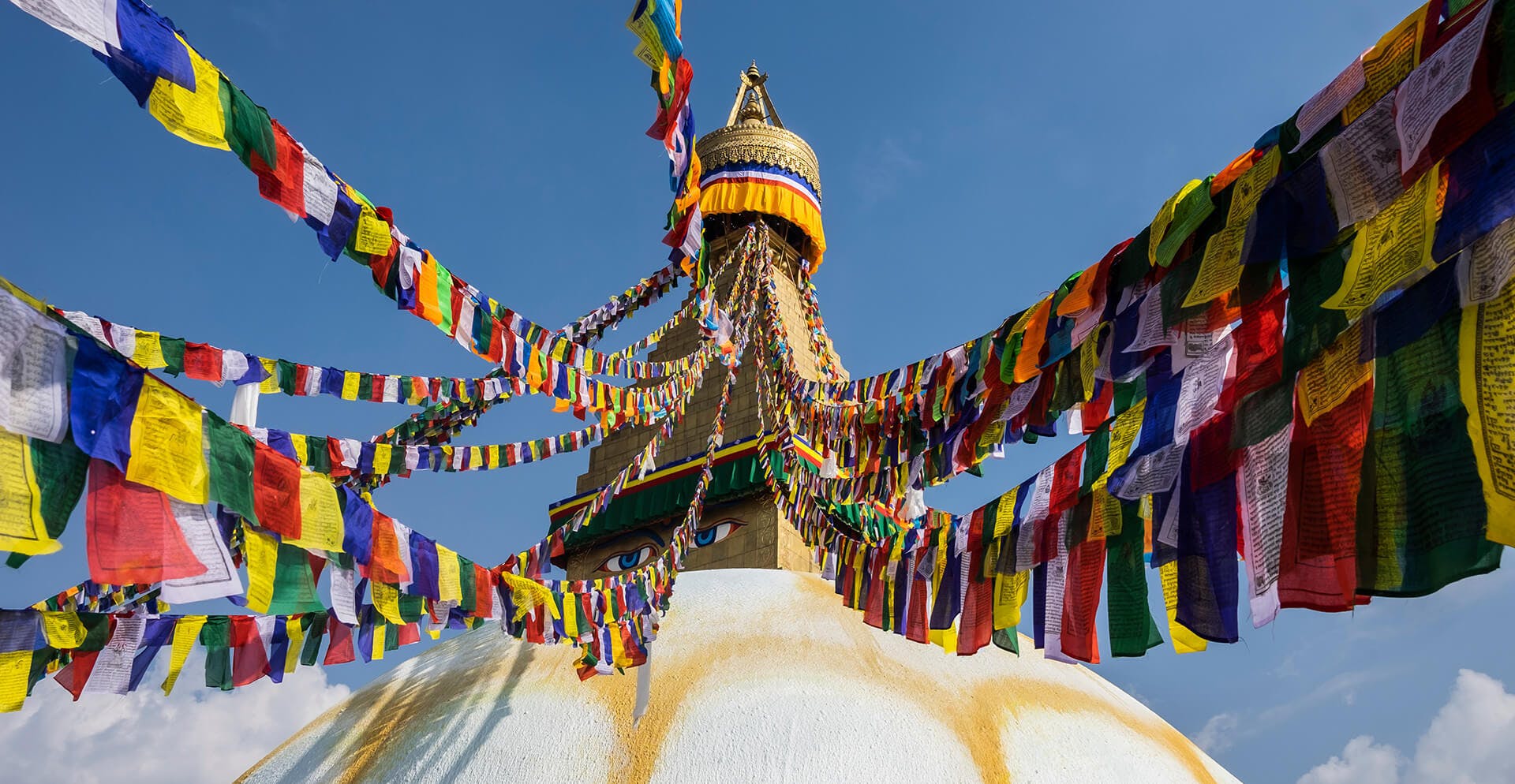
Explore the vibrant city of Kathmandu on your included city tour, where ancient traditions meet modern life. You’ll explore the iconic Kathmandu Durbar Square, marveling at its architecture and historic palaces. Visit the Swoyambhunath Stupa, also known as the Monkey Temple, for serene spiritual vibes and panoramic city views. Don’t miss Patan Durbar Square, famous for its exquisite temples and artisan shops.
You’ll end your day with a unique cooking demonstration and dinner at Seven Women, a social enterprise devoted to empowering marginalised women through education and employment opportunities. Savor the flavors of authentic Nepalese cuisine while supporting a meaningful cause.
Day 14 - Journey to Chitwan National Park
Today, after breakfast, you’ll travel to the UNESCO World Heritage Site of Chitwan National Park, a sanctuary for diverse wildlife including rhinoceros, tigers, elephants, and over 500 species of birds. Widely recognised as one of the best national parks in Asia, Chitwan offers a unique opportunity to witness these magnificent creatures in their natural habitat. Settle into your comfortable accommodation, surrounded by lush greenery and the sounds of nature. In the evening, relax and immerse yourself in the peaceful ambiance of this extraordinary place.
Day 15 - Chitwan Jungle Adventures
Immerse yourself in the wonders of Chitwan with a series of captivating jungle activities. After breakfast, you’ll start your morning with a one-hour jungle walk, where you can observe the rich flora and fauna up close. Next up is a 45-minute canoe ride along the tranquil river, offering a unique perspective of the park’s diverse ecosystem. In the afternoon, gear up for a 4-hour jeep safari, providing plenty of opportunities to spot the park’s incredible wildlife, including rhinos, tigers, and a variety of native birds. Chitwan is one of the few places in the world where you might witness rhinos roaming the streets of the town, showcasing the unique coexistence of humans and wildlife in this region.
Day 16 - Gateway to the Himalayas: Pokhara
Today you will journey to Pokhara, an enchanting lakeside city, also known as the Gateway to the Himalayas. Nestled in the foothills of the Annapurna range, Pokhara offers breathtaking views and a serene atmosphere. After settling into your new accommodation you’ll be taken on an evening orientation walk around the tranquil waters of Phewa Lake, visit the Tal Barahi Temple, explore charming fisherman villages, and wander through vibrant local bazaars filled with colorful handicrafts and delicious street food. Take a moment to enjoy the stunning reflection of the surrounding mountains on the lake’s surface as you immerse yourself in the local culture.
Day 17 - Trekking to Australian Camp
Set out on a scenic trek to Australian Camp via Dhampus village. This 5-6 hour hike takes you through lush rhododendron forests, terraced farmlands, and traditional villages, offering breathtaking views of the Annapurna Mountain Range. As you traverse the trails, you’ll encounter vibrant local wildlife and experience the culture of the indigenous communities.
The trek provides numerous opportunities for photo moments, with stunning vistas at every turn. Whether you’re an keen hiker or a nature enthusiast, this journey will captivate you with its natural beauty and rich cultural heritage. It’s an experience that will transform your perspective on the world, leaving you with memories you’ll cherish forever. As the night approaches, gather for a farewell dinner and reflect on the incredible adventure and friendships you’ve made on tour.
*Please note if you have a respiratory condition such as asthma, we recommend you consult your doctor before booking.
Day 18 - Return to Kathmandu
Today you will bid farewell to the serene beauty of Pokhara and journey back to Kathmandu. Take a moment to reflect on the vibrant culture, warm-hearted locals, and breathtaking landscapes that have made your Nepali adventure extraordinary. We do not doubt that you will ever forget this incredible week exploring Nepal.
Your included transfer will be a 8-9 hour journey. To avoid this longer journey, you may also take a short domestic flight back to Kathmandu. *Please note that this will have to be arranged independently and is not included in the tour.
If you are planning to join this tour before or after your volunteer program, please note that the tour dates may not align exactly with your project start or end date. You may need to arrange and cover the cost of additional accommodation and transport (such as flights, trains, or transfers) to get to your project meeting point or return location. Our team will be happy to advise you on what’s needed, but all extra arrangements are your responsibility to book and pay for.
...