I genuinely think that volunteering has been the best month of my life. The amount of experience that I gained was incredible and very eye opening for my future. The people that work there, volunteer there are amazing and hopefully people that I will be in touch with for a long time. If someone is hesitant on going, I would tell them that there is absolutely nothing to be worried about. The people, the place, the work, everything is top tier and is really what you make it so make the most of it!
Volunteer in Thailand
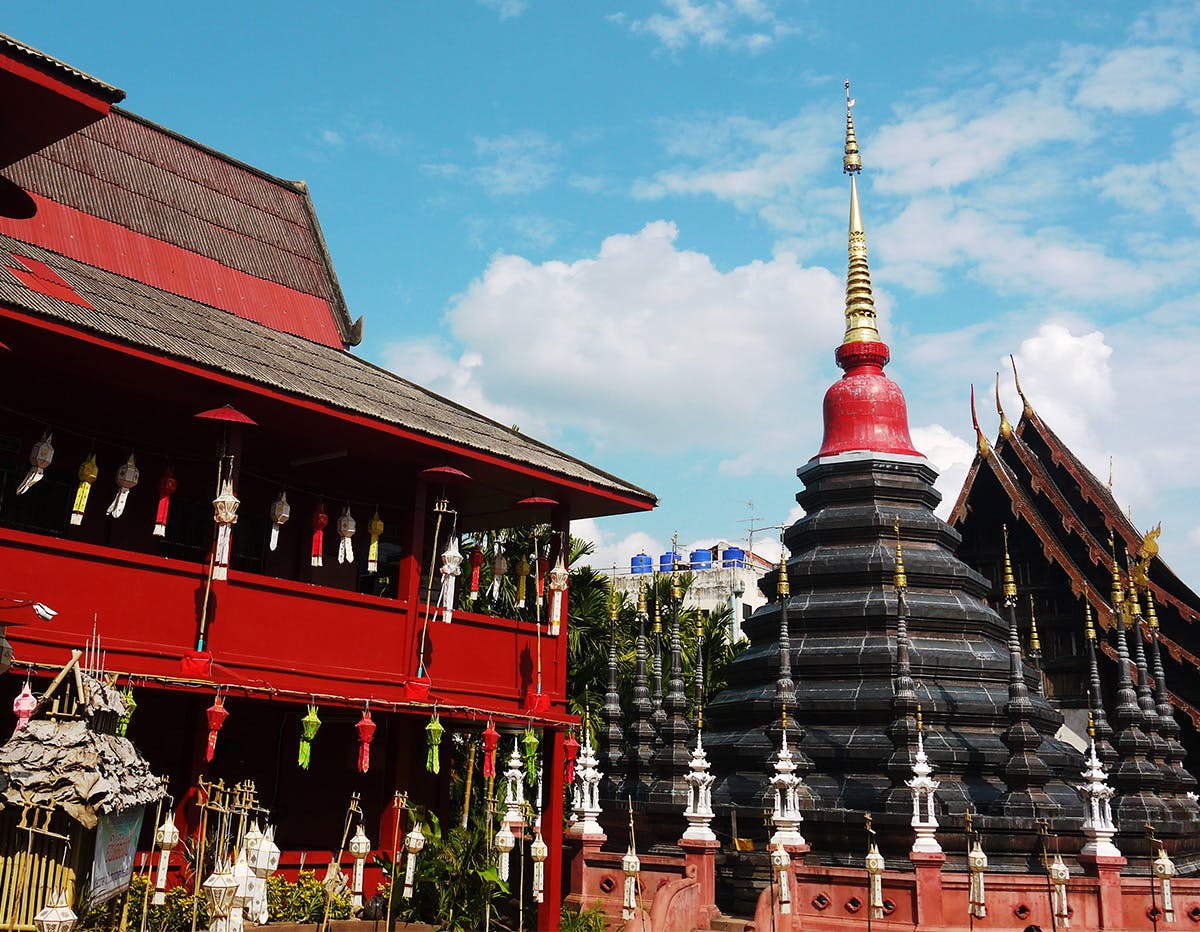
Explore International Volunteer HQ’s exciting Thailand volunteer abroad program. Choose from a wide range of trusted Thailand volunteer projects, including Childcare, Construction and Renovation, Elephant Welfare, Environmental Conservation, and Teaching. Volunteer work in Thailand is based in the northern city of Chiang Mai or the southern tourist town of Hua Hin. With affordable Program Fees and top rated volunteer projects trusted by over 164,000 travelers, IVHQ is the best volunteer organization in Thailand.
Highlights:
- 10 meaningful project options available year-round
- Program Fees from $410 for 1 week
- Includes airport pick-up, orientation, accommodation, meals, and 24/7 in-country support
-
Accommodation in dormitory-style houses or homestays
-
Projects based in and around Chiang Mai and Hua Hin
Key information
Volunteer Opportunities in Thailand

Increases access to education
3-5 hours volunteering per day
Program Fees from $425
- Duration: 1 - 12 weeks
- Programs start every Monday
- Based in childcare & development centers
- Volunteers aged 16+ and families
Provide care and support to children while immersing yourself in Thailand’s warm culture. Help young minds thrive in a nurturing environment.

Increases access to education
3-4 hours volunteering per day
Program Fees from $410
- Duration: 1 - 12 weeks
- Programs start every Monday
- Based in childcare centers & kindergartens
- Volunteers aged 16+ and families
Help care for and educate local children at childhood development centers and kindergartens. Pass on valuable English language skills to the kids, which can later open the doors to many employment opportunities for them.

Supports community development
4-5 hours volunteering per day
Program Fees from $460
- Duration: 1 - 12 weeks
- Programs start every Monday
- Based across local community spaces
- Volunteers aged 16+ and families
Improve the standard of living for local people by helping build or renovate important community spaces that bring people together, such as temples, hospitals, schools, and housing.

Supports community development
3-5 hours volunteering per day
Program Fees from $475
- Duration: 1 - 12 weeks
- Programs start every Monday
- Based in local community centers
- Volunteers aged 16+ and families
Improve schools, temples, and healthcare centers in Chiang Mai, directly supporting local communities through construction and renovation.

Protects animals
4-6 hours volunteering per day
Program Fees from $630
- Duration: 1 - 12 weeks
- Programs start every Monday
- Based in an elephant sanctuary
- Volunteers aged 18-60
Feed and observe elephants in their natural habitat. Your participation directly supports a vital sanctuary nestled amidst Thailand's lush jungles, making a real difference in elephant welfare.

Conserves the environment
3-4 hours volunteering per day
Program Fees from $410
- Duration: 1 - 12 weeks
- Programs start every Monday
- Based in an environmental learning center
- Volunteers aged 16+ and families
Support local conservation initiatives such as tree planting, and help educate the local community on important environmental issues.

Develops cross-cultural learning
3-5 hours volunteering per day
Program Fees from $410
- Duration: 1 week
- Programs start first Monday of the Month
- Based in local schools
- Volunteers aged 17+ and families
Immerse yourself in a traditional hill tribe near Hua Hin, helping to teach locals English and providing support to income-earning enterprises. The perfect project for volunteers wanting an authentic cultural experience.
Improves health & wellbeing
3-4 hours volunteering per day
Program Fees from $410
- Duration: 1 - 12 weeks
- Programs start every Monday
- Based in local schools
- Volunteers aged 16+ and families
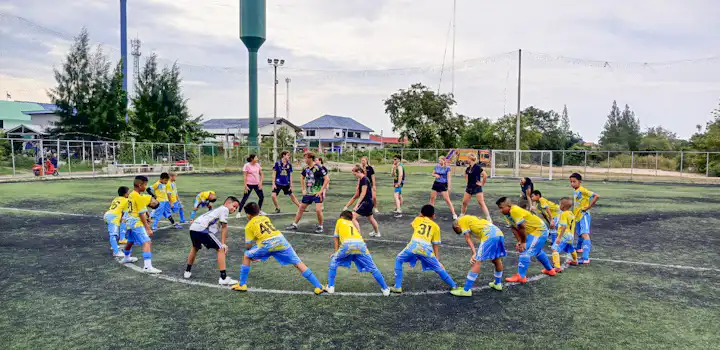
Support local students in Hua Hin through physical education by leading sports sessions, promoting teamwork, and encouraging healthy lifestyles. Perfect for active volunteers who enjoy working with youth and inspiring a love for sport!

Increases access to education
3-5 hours volunteering per day
Program Fees from $425
- Duration: 1 - 12 weeks
- Programs start every Monday
- Based in local community centers
- Volunteers aged 18+
Share your knowledge, immerse in Thai culture, guide eager students, and explore temples, markets, and landscapes. Forge lasting connections, make a positive impact, and enrich your life with unforgettable memories.

Increases access to education
3-4 hours volunteering per day
Program Fees from $410
- Duration: 1 - 12 weeks
- Programs start every Monday
- Based in local community centers & schools
- Volunteers aged 18+
Help to teach English in local schools, using your knowledge as a fluent speaker to increase students’ access to employment opportunities.
What recent volunteers said about their IVHQ experience
EC
Elin Cheung
...
BQ
Benedetta Quattrini
When I set off, I was excited but also scared; it was the first time I had ever had an experience like this on my own, far from home. Looking back now, I would do it all over again. I found a family away from home. The smiles, hugs, and kindness of everyone I met will always remain etched in my heart. I would recommend this experience to anyone.
...
PD
Philip Downing
I have learned that even at the senior age of sixty one, I am able to adapt to hostel living. I have learned that, and was immensely proud that I embraced the teaching program fully, and not only enjoyed it, but learnt daily, different techniques of teaching through fellow volunteers and the general mechanics of teaching, preparation and presentation, with the valuable help of the coordinator Peachii, to whom I’m forever grateful. I have also learnt that in French universities, often volunteering is part of the curriculum, hence at times, with the enormous French contingent I felt I was living in France. Overall I found the experience wonderful and enlightening and the children engaging and adorable and I hope I have made a difference, helping them with their English.
...
MB
Martha Burtschell
I gained so many amazing friends in the other volunteers aswell as in the coordinators. I learned how easy it is to make connections with people from different cultures and all over the world. The program itself brought me so much joy and it was amazing working with the kids everyday. My advice is, just go for it. Don‘t worry to much about things you can‘t influence, the local team is amazing and will support you at all times. Doing the volunteer programm was the best decision I ever made and I‘m so happy I had the courage to go.
...
To read all reviews, visit our reviews page.
Popular tours & experiences in Thailand
Take your volunteer experience to the next level with these popular tours and experiences. Explore your options below and learn how to book them once you've been accepted onto the IVHQ Thailand program.

Bangkok to Chiang Mai Express Tour (7 days, 6 nights)
Take seven days, pack them full of wonderment and reflection in Northern Thailand - Kanchanaburi, Ayutthaya, and Chiang Mai, and plenty of temples, palaces, and small villages to explore, and you’ve got a recipe for one of the most memorable weeks you’ll ever have. Toss in the ease of travel by trains and buses and there’s no way you’ll feel like you’re missing out on anything in this dynamic region.
From $903

1 Day Chiang Mai Elephant Experience
This full-day private tour tailored for a group of volunteers invites you into the heart of a sanctuary dedicated to the ethical care, protection, and respect of elephants.
$130

1 Day Chiang Rai Tour
Experience the full spectrum of Northern Thailand in a single day. This full-day private tour tailored for a group of 1 - 4 volunteers offers a curated journey through the city’s most significant cultural and historical sites.
$100

Traditional Muay Thai Sessions - Hua Hin
Elevate your experience with daily Muay Thai training! Train for 2 hours per day in your free time, learning authentic techniques from skilled local fighters. Perfect for all levels - whether you’re a beginner or looking to sharpen your skills!
From $28

Private Room Upgrade - Onsite
Upgrade to a private room with a private bathroom.
From $138

Private Room Upgrade - Offsite
Upgrade to a private room with a private bathroom.
From $215
1 Day Chiang Mai Elephant Experience
This full-day private tour tailored for a group of volunteers invites you into the heart of a sanctuary dedicated to the ethical care, protection, and respect of elephants.
$130
1 Day Chiang Rai Tour
Experience the full spectrum of Northern Thailand in a single day. This full-day private tour tailored for a group of 1 - 4 volunteers offers a curated journey through the city’s most significant cultural and historical sites.
$100

1 Day Highlights of Chiang Mai Waterfall & Culture Tour
Designed specifically for small groups of volunteers, this curated experience blends the city’s rich history with its most stunning cultural sites. It’s a fun, seamless way to get your bearings and discover the best of the region alongside your crew.
$80

Hua Hin Culture Week
Learn more about the Thai culture and tick off some must-do Thai experiences.
$321
Private Room Upgrade - Offsite
Upgrade to a private room with a private bathroom.
From $215
Private Room Upgrade - Onsite
Upgrade to a private room with a private bathroom.
From $138
Check what's required to visit Thailand
Entry requirements can change at any time, so it's important you monitor this right up until you depart for your trip.


