Kenya map
Other programmes
Photo gallery
travel

Volunteer in Kenya with International Volunteer HQ today. IVHQ’s local staff in Kenya require volunteers NOW! IVHQ has a wide range of volunteering projects available in both rural and urban Kenya, including Teaching, Orphanage Work, Sports Education, HIV/AIDS Work, Special Needs, Music Education, Women's Education and Medical Placement.

LOCATION OF KENYA VOLUNTEER PROGRAM

IVHQ has volunteer placements located in Nairobi (suburban Nairobi and Kibera – the largest slum in Africa), Nakuru, Mombasa and rural Kenyan villages. While we would like an indication of your location preference when applying, this can be finalized with our program partner on arrival in Kenya.

START AND DURATION OF KENYA VOLUNTEER PROGRAM

Programs begin on the 1st and 15th of each month. Volunteers can choose to volunteer for periods raning from 1 week to 6 months. 

KENYA VOLUNTEER REQUIREMENTS

Volunteers must be 18 years or older at the beginning of the program and have at least a high school education. Volunteers participating on the Medical Placement must have appropriate training and certification to be presented to IVHQ partner staff on arrival in Kenya. All volunteers must provide a criminal background check to IVHQ partner staff on arrival in Kenya.

HOW MANY OTHER VOLUNTEERS WILL THERE BE?

Last year IVHQ placed over 600 volunteers on our Kenya program, making us one of the most popular volunteer organizations in Kenya! Between 30 and 80 volunteers start on our Kenya program each month. What does this mean for you? More people to socialize and travel with, more people to meet from different cultures, more people to volunteer with, more projects to work on, more staff support, better infrastructure for volunteers and lower fees! 
 

KENYA VOLUNTEER TESTIMONIALS

"I felt like the local staff were family, even though I really did not know them! They always made sure that we were aware that we could contact them no matter what. The orientation was excellent! It was a great time to meet with other volunteers, get familiar with the staff, and start to feel at home in an unknown country! My favorite moment from the volunteering experience was spending time in my project, getting to know the kids, staff, and doing my best to help around with chores." - Romie Garcia (Teaching)
 
Click here to read more testimonials from IVHQ volunteers in Kenya.
 

KENYA VOLUNTEER PROJECT DESCRIPTIONS

TEACHING

Volunteer profiles

Volunteer in Kenya

Parker George and Faith Heaton

Parker George (24 years old) and Faith Heaton (21 years old) both from San Antonio, United States volunteered on the Kenya program for two months.
Read more »

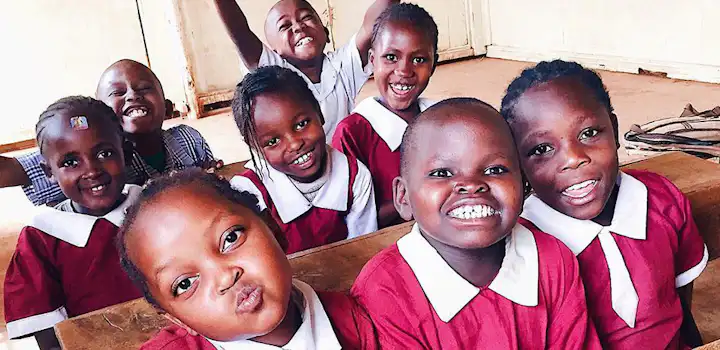
Teaching volunteers can work in both rural and urban areas of Kenya in community, government and orphanage schools. The presence of volunteers in these schools is beneficial in broadening the minds and horizons of the children and exposing them to native or fluent English speakers. Volunteers assist local teachers with daily classes in Math, English, Science, Social Studies (Geography and History), Art and Physical Education classes. Volunteers do not need to be qualified or experienced teachers to participate on the Teaching project.

In Kenya, there are three terms per school year with breaks between these terms for the whole months of April, August and December. During these breaks, volunteers can assist with holiday programs, participate on other projects, take a break, travel or engage in tourist activities, such as safari. For those interested in Health and Hygiene Education, there are some schools which offer after-school classes for the older children. These classes were initiated by IVHQ volunteers and rely on on-going volunteer support to continue. The classes focus on health and hygiene and can also cover reproductive education and awareness of puberty and hormone growth for teenage girls and boys (aged 11 to 16 years old).

IVHQ EXAMPLE PLACEMENT: Dagorretti Primary School

Located approximately 10 minutes out of Kibera, Dagorretti provides education for over 300 children, ranging from 5 to 15 years old. Similar to many schools in this area, there is a desperate shortage of teachers and professional to help educate the children. (Please note, this is just one of many schools on our program and is not necessarily the one you will be teaching at).

ORPHANAGE WORK

Placement profiles

Volunteer in Kenya

Neema Land Queens and Kings Palace

Neemaland Queens and Kings Palace is located 10km from Nairobi city center and takes care of 140 children aged between 3-16 years.
Read more »

Due to the high incidences of poverty and illness, orphanages in Kenya can host 50 to 300 children at any one time and there is always a high demand for more volunteer assistance. Volunteers in Kenya work in a few different types of orphanages, some of which house and foster abandoned and orphaned children, some which have schools attached, and some where volunteers live at the orphanage full time. Each orphanage accommodates children of differing ages, but generally volunteers work with children from 2 to 16 years old.

Orphanages are always busy, whether the children are at home or at school, and volunteers can help with all areas of daily activity, including cooking, cleaning, washing, caring, feeding, playing and entertaining.

IVHQ EXAMPLE PLACEMENT: Merciful Redeemer Children's Home
Located in Mitumba Slums, about 4 kilometres from the Nairobi city center, Merciful Redeemer Children's Home was started in 2002 by its Director, Mrs Anne Mugane. The home admitted its first 5 children in 2002 and today is home to 80 children. The children admitted range from 3 to 16 years years old, most of whom are orphans or street children, brought to the home by relatives and friends. (Please note, this is just one of many schools on our program and is not necessarily the one you will be teaching at).

SPORTS EDUCATION

Placement profiles

Volunteer in Kenya

New Franeli Children Centre

The New Franeli School is located in the Riruta community on the outskirts of the capital city Nairobi, 8km from the city center.
Read more »

The Sports Education project is designed for volunteers who wish to work with children in schools, but not necessarily spend all their time teaching in a classroom. Volunteers have the opportunity to assist in schools to broaden children’s knowledge of sport, through teaching “foreign” sports and games to the children and educating them on general fitness, health and wellbeing in addition to taking general lessons at the school. It is up to the volunteer to plan lessons and design the teaching of their sports program. Children are extremely enthusiastic and willing to learn, however past volunteers have found it important to be prepared if they are to teach the children foreign concepts and ideas (such as a new sport). While football/soccer is extremely popular in Africa, many volunteers have found it rewarding to teach the children other sports from the volunteer’s home country, such as baseball, lacrosse, basketball, cricket and rugby. If a volunteer wishes to do this, they must plan ahead and often bring the required materials and equipment themselves as it is highly likely this will not be available in local stores and shopping centers. Volunteers do not need any previous teaching experience for this program, but it is important to note that volunteers may be required to teach other classes during the day, such as Math, English, Science or Social Studies (Geography and History).

HIV/AIDS WORK

Placement profiles

Volunteer in Kenya

Mama Babu Home

The Mama Babu Home is located in one of the slums of Nairobi called Kawangware.
Read more »

HIV and AIDS continue to be a major issue within Kenya; however, over the past decade there have been significant developments regarding the response to HIV/AIDS, with many projects initiated to provide free ARVs (Antiretroviral Drugs or Therapies) to those living with HIV and AIDS. This has seen a shift in the mentality of Kenyans, where the emphasis has developed from providing emergency care and relief, to focusing more on empowerment and “living positively”.

The HIV/AIDS Work project mainly involves outreach campaigns aimed at the poorer slums and rural communities in Kenya. Volunteers work alongside a clinic/center staff member, and while each outreach may have its specific purpose, the general aim is to highlight the importance of HIV/AIDS education and awareness among all ages. Volunteers will also be involved in giving classes on hygiene and how to prevent AIDS transmission.

MEDICAL PLACEMENT

Placement profiles

Volunteer in Kenya

Kitengela Medical Services

Kitengela Medical Services is located 30kms away from the capital city of Nairobi in a small town called Kitengela.
Read more » 

Healthcare is neither easily accessible nor affordable for many Kenyans, whether in urban or rural parts of the country. Poverty creates a large barrier to the acquisition of healthcare in general, but in rural areas in particular. The Kenyan Government has authorized our partner organization to place healthcare students and professionals in local clinics and hospitals to assist doctors and nurses with their daily rounds. Due to strict policies in Kenya, volunteers work closely with local doctors and nurses (rather than independently) in clinics and hospitals of varying sizes.

Volunteers are placed according to their current scope of practice, medical/nursing training and previous experience. Many of the hospitals and clinics have pharmacies, laboratories and maternity/family planning departments, in which volunteers with specialized training can assist. Other areas also include Dental, Optometry, Radiology, Ultrasound, HIV testing, Paramedic/Ambulance Services and Physio/Occupational Therapy. These dispensaries, clinics and hospitals have very basic equipment and facilities, volunteers are therefore required to have completed at least 2 years training in a relevant medical or nursing course, or be registered practitioners within their area of skill. If you have a particular skill or area of interest, please make a note of this in your application. All volunteers are required to present a copy of their qualifications and certificates, along with a letter of recommendation from a relevant medical professional (tutor, supervisor or employer) to our program partner on arrival in Kenya. We also recommend volunteering on this program for at least 2 weeks in order to adjust to the differences between African medical practices and your usual practices at home. 

Please note, all Medical Placement volunteers are required to pay a one off project fee of US$70 regardless of your program duration. This fee goes directly to the medical center with which you work and is payable in Kenya directly to our local staff.

MUSIC PROGRAM

Placement profiles

Volunteer in Kenya

Olympic Educational Centre Music Program

Olympic Educational Centre is a primary school serving students from nursery class to standard eight (about ages 3 through 15).
Read more »

Music is a universal language and spans all corners of the globe. In East Africa especially, music is best described as a pure and true representation of cultural richness by means of worship and devotion, celebration and mourning, and overall communal strengthening and enjoyment. Through music, people are able to see through the shroud of suffering and sorrow to a life worth living. Music is their passage to a better life, even if this better life lasts for only a few minutes of song.

The Music Education Program in Kenya is designed to give children the chance to let their voices and songs be heard. Volunteers on this project provide students with a basic understanding of musical theory (note reading, etc.) as well as instrument and vocal training. The project was set up by past IVHQ volunteers as an extra-curricular after-school activity. Current classes include guitar, flute, maracas, piano, organ and introduction to music. Singing is also popular among the children, and if volunteers have experience in singing or choir-directing, this can also be beneficial. There are also traditional music lessons where students can share and learn cultural and tribal songs from each other. Please note, a background in music, a basic knowledge of musical theory and practical ability are imperative if you are to be a successful participant on this project. It is also important to note that volunteers may be required to teach other classes during the day such as Math, English and Social Sciences (Geography and History).

WOMEN'S EDUCATION PROGRAM

Placement profiles

Volunteer in Kenya

Kenya Young Women’s Education Program (KYWEP)

The KYWEP program takes place at a variety of locations around the Kibera and greater Nairobi area including schools, orphanages, and other centers in which there a large concentration of females. .
Read more »

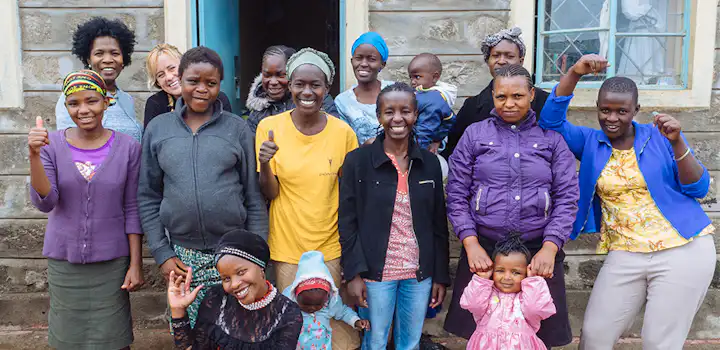
Due to ongoing initiatives to support those affected by HIV/AIDs, many women living with HIV/AIDs are still able to continue and function on a day-to-day basis, but need support to be able to do so. IVHQ and our local partner work closely with centers which support these women and their families, providing counseling, guidance and sometimes childcare. The primary aim of these centers is to empower the women through income-generating projects, education and skill-training. At many of the centers, women are able to learn sewing, tailoring, candle-making and jewelry-making through subsidized courses, and the women also have access to finance and small business management courses, enabling them to start their own craft-making or tailoring business to generate an income and provide for their children and families. Volunteers can assist in any area including counseling, skill-training and campaign/education development.

Volunteers on the Women's Education Program do not need previous experience or training in HIV/AIDs Work or Women’s Empowerment, however we do strongly recommend volunteers gain some understanding of the subject prior to their arrival. 

SPECIAL NEEDS

In Kenya, the majority of the nation’s culture stems from family values and beliefs. There is the expectation that each child should be able to contribute while at home and then ultimately fend for themselves once they are adults. However, there are increasing numbers of children born with either mental or physical disabilities, such as Cerebral Palsy and Downs Syndrome. There are also many children and adults who become disabled through the course of their lives. Disability awareness is not common or widely-recognised and as a result, many children and adults are hidden from public view by their families due to a lack of knowledge or support.

Volunteers on the Special Needs project assist with daily living tasks, education and awareness among families and communities, and also provide care, physiotherapy and rehabilitation for the child or adult, including training for the family and supporting community. Volunteers on this project do not need to have previous experience or training as they are working closely with local staff.

KENYA PROGRAM COSTS

One of the strengths of IVHQ is our extremely affordable fees. Click here to see the program cost to volunteer in Kenya and what you receive in exchange for your fees.

ACCOMMODATION AND MEALS

Volunteers are accommodated in a home stay, where they live with a local Kenyan family. We give your host family money from your program fee for support, food and board. It is exciting to stay with a family and offers you the opportunity to learn the Kenyan way of life, meet local people, eat local food and engage in local customs and traditions. Living is basic but the large majority of home stays have electricity and running water (some rural home stays may not have electricity or running water during times of drought). Volunteers can expect to share a room with one or two other volunteers.

Regardless of the tribe or culture of your host family, you will have the opportunity to sample some authentic Kenyan cuisine. Kenyans eat three meals in a day and breakfast generally consists of Chai (tea), toast, cereal, fruit and mandazzi (deep fried dough). A typical lunch can include meat and vegetables with rice, sandwiches and fruit, while dinner usually sees traditional food such as ugali, chapatti, mboga and irio accompany the meat and vegetables. Breakfast is eaten in the morning, then lunch is served around 1 PM (or you can take a packed lunch if you wish to eat at your placement) and dinner is served at 7 to 8 PM. Bottled water is readily available in Kenya and volunteers should budget approximately US$5 per week for this (2 liters per day). If you have any special dietary requirements, please make a note of this in your application, so we can make arrangements for you. However, we need to stress the point that you should not expect to eat as you normally do at home. We will do our best to see that you are well taken care of, but as a volunteer, there is a need to be flexible. 

ORIENTATION

Staff profiles

Volunteer in Kenya

Orientation begins on the morning of the 1st or 15th of the month (dependent on your booking) and you will be picked up from your accommodation and taken to the orientation. Orientation will be conducted by our local staff in Nairobi and cover everything you need to know for your volunteering program in Kenya – Introduction to Kenya, Kenyan Customs, Language Training (Kiswahili), Rules and Expectations, Safety, Travel Opportunities in Kenya, Introduction to your Project and Placement. The orientation will also give you a chance to meet other volunteers and swap contact details for weekend travel and socializing. Once orientation is complete, volunteers will be transported to their home stay and introduced to all relevant parties – home stay family members and placement staff.

VOLUNTEER WEEK

First Day: On the first day of the volunteering placement, volunteers are escorted to their placement and are introduced to the staff they will be working with.

Weekdays: While our programs are flexible and can be fitted to your requirements, an example of a typical day is as follows.

  • 7.30AM Breakfast with the host family.
  • 8.00AM Volunteer leaves home and is dropped/walks to the placement. 
  • 8.30AM-2.00PM Volunteer joins with the local staff and is given a duty roster and a plan for your work. There is usually a morning tea break and lunch break. Work and hours are dependent on the project and placement that the volunteer is working at.
  • 2.00PM-5.00PM Work at the placement usually ends. Volunteers are free to go sight-seeing or to do some shopping. Usually there will be a guide to take you around. You may also want to spend time with the kids up to around 6.00PM.
  • 8.30PM Dinner with the host family.

Weekends: During the weekends, volunteers have spare time and usually just relax or take the opportunity to explore other parts of Keny Eastern Africa. Long weekends can be taken to travel further afield (i.e. Mombasa, Uganda or Tanzania) or to embark on a safari. If volunteers wish to volunteer over the weekends, they can join local teams and visit orphanages (or other children helping organizations) to spend time simply playing with and entertaining the children.

Kenya Volunteer Fees

Volunteer Period   Program Fee US$  
1 Week   270  
2 Weeks   370  
3 Weeks   470  
1 Month (4 weeks)   550  
6 Weeks   740  
2 Months (8 weeks)   930  
10 Weeks   1130  
3 Months (12 weeks)   1330  
4 Months (16 weeks)   1600  
5 Months (20 weeks)   1950  
6 Months (24 weeks)   2320  
To convert these prices to your local currency click here.
Please note: All programs attract a Registration Fee of $249 USD on top of the Program Fee.

What do my fees pay for?

Registration Fee (Refundable if you choose not to go) – 24/7 support from IVHQ staff, program marketing costs, information pack,  administration costs, travel costs to inspect programs and communication costs with volunteers.
Program Fee – Airport pick up, orientation, program supervision, accommodation and meals during volunteer placement period, In-country 24/7 support and In-country administration costs.

What additional costs will I have?

Visa, flights, travel insurance (recommended), vaccinations, souvenirs, trips or tours you do while in the country, transfer back to the airport from program, spending money (volunteers in Kenya generally find US$20 to be sufficient for basic weekly expenses).