
International volunteering is a wonderful opportunity to show compassion and help to others who are less fortunate. It is an amazing way to learn and live with another culture. It is my best choice for traveling to a different country, seeing the landscapes, learning the history, while feeling the pulse of the local people, and helping to bring cheer and self confidence to the people I volunteered with. All round it is a win win opportunity to strengthen personal ideals and gain personal reflections on a life changing mission.

Volunteer in India
Discover International Volunteer HQ’s fascinating India volunteer abroad program. Choose from a wide range of trusted India volunteer projects, including Teaching, Medical, Dentistry, Women’s Education and Slum Teaching. Volunteer work in India is based in the capital, Delhi, or the coastal region of Kerala, voted one of the top 10 cities to visit by the Lonely Planet. With affordable Program Fees and top rated volunteer projects trusted by over 164,000 travelers, IVHQ is the best volunteer organization in India.
Highlights:
- 13 meaningful project options available year-round
- Program Fees from $305 for 1 week
- Includes airport pick-up, orientation, accommodation, meals, and 24/7 in-country support
-
Accommodation in a volunteer house or hostel in Delhi and Kerala
-
Incredible tours and experiences available, including a Taj Mahal trip and a tour of Goa
Key information
Volunteer Opportunities in India

Protects animals
4-5 hours volunteering per day
Program Fees from $305
- Duration: 1 - 24 weeks
- Programs start every first and third Monday of the month
- Based in an animal shelter & veterinary clinic
- Volunteers aged 18+
Be part of a heartwarming mission to help rescued and stray animals from playful dogs and curious monkeys to gentle cows and donkeys. You'll feed, care for, and nurture them back to health while spreading compassion and awareness throughout the community.

Increases access to education
3-5 hours volunteering per day
Program Fees from $305
- Duration: 1 - 24 weeks
- Programs start every first and third Monday of the month
- Based in childcare centers
- Volunteers aged 18+ and families
Provide support in childcare centers in disadvantaged neighborhoods with a genuine need for volunteer assistance. Help with early education and play games with children between 4 and 8 years-old.

Increases access to education
3-5 hours volunteering per day
Program Fees from $520
- Duration: 1 - 8 weeks
- Programs start every Monday
- Based in local schools
- Volunteers aged 18+ and families
Help to give early learners a head start in English language lessons by taking small classes for children aged 3-6.
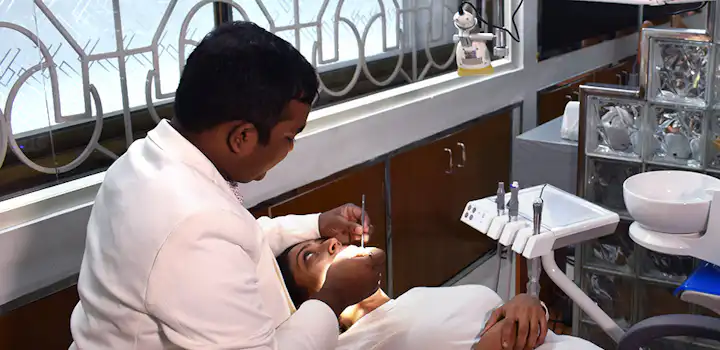
Improves health & wellbeing
Up to 6 hours volunteering per day
Program Fees from $700
- Duration: 2 - 8 weeks
- Programs start every Monday
- Based in a dental clinic
- Volunteers aged 18+
Shadow and observe a local dentist running a clinic popular with tourists who get dental work done abroad. This is ideal for dental students eager to see treatment and procedures in action.

Improves health & wellbeing
3-5 hours volunteering per day
Program Fees from $305
- Duration: 1 - 24 weeks
- Programs start every first and third Monday of the month
- Based in hospitals & community clinics
- Volunteers aged 18+
Shadow local staff in hospitals or take a more hands-on role with general assistance in slum clinics. Suited to medical volunteers with a range of experience.

Improves health & wellbeing
Up to 8 hours volunteering per day
Program Fees from $810
- Duration: 2 - 8 weeks
- Programs start every Monday
- Based in private hospitals
- Volunteers aged 18+
Volunteer in a modern hospital, observing and assisting local professionals in a range of different departments.
Improves health & wellbeing
3-5 hours volunteering per day
Set Program Fee of $450
- Set duration of 1 week
- Programs start every first and third Monday of the month
- Based across local community spaces
- Volunteers aged 18+
A project designed for volunteers traveling in groups of 8 or more, involving roving outreach campaigns delivering basic healthcare in local communities. Campaigns are customizable to your experience and specialty and aim to bring health services to locals in the comfort of their own neighborhoods.

Improves health & wellbeing
3-5 hours volunteering per day
Program Fees from $810
- Duration: 2 - 12 weeks
- Programs start every Monday
- Based in local clinics
- Volunteers aged 18+
Volunteer as a physical therapist in local clinics, observing and assisting professionals to help improve patient care.

Increases access to education
3-5 hours volunteering per day
Program Fees from $305
- Duration: 1 - 24 weeks
- Programs start every first and third Monday of the month
- Based across local community spaces
- Volunteers aged 18+ and families
Help with the education of children from India’s slums, many of whom would not otherwise have access to education. Take charge of lessons for students aged between 5 and 11 years-old, with a focus on teaching English.

Improves health & wellbeing
3-5 hours volunteering per day
Program Fees from $690
- Duration: 2 - 8 weeks
- Programs start every Monday
- Based in community centers & schools
- Volunteers aged 18+ and families
Assist schools for children with a range of special needs, working to improve their language, coordination and other motor skills.
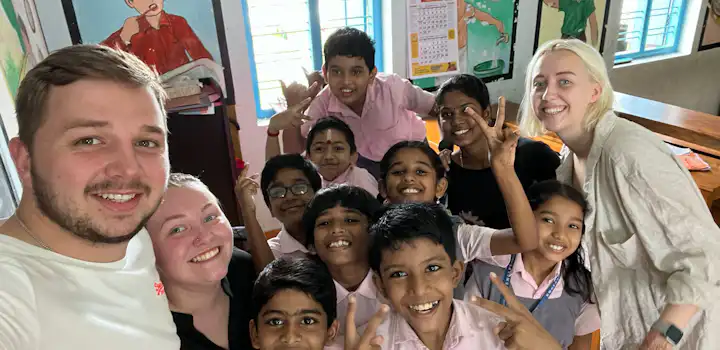
Increases access to education
3-5 hours volunteering per day
Program Fees from $520
- Duration: 1 - 8 weeks
- Programs start every Monday
- Based in local schools
- Volunteers aged 18+ and families
Help to counter teacher shortages by teaching English during free periods in local schools. Teach students from 6-12 years old, many of whom have a base knowledge of the English language.

Increases access to education
3-5 hours volunteering per day
Program Fees from $305
- Duration: 1 - 24 weeks
- Programs start every first and third Monday of the month
- Based in local schools
- Volunteers aged 18+ and families
Assist local teachers with English lessons in a range of schools, particularly in disadvantaged areas of Faridabad.

Supports gender equality
3-5 hours volunteering per day
Program Fees from $570
- Duration: 1 - 8 weeks
- Programs start every Monday
- Based in Women’s education centers
- Volunteers aged 18+
Teach small classes of women aged 20-70+, using contemporary social issues as the basis for valuable English language lessons.
What recent volunteers said about their IVHQ experience
IN
Irene Neal
...
MH
Mounir Hadjaj
The resources met my expectation while enhancing a smooth transition with the local organisation I was affiliated to. The local team was remarkable in many aspects. Their respective projects were well run, streamlined and very well managed. My teaching coordinator was caring, professional and incredibly helpful and supportive. I had a positive feedback from the students and I do believe they truly enjoyed our mutual collaboration during the program. Getting out of your comfort zone is the first step towards your inner transformation. The connection you will build over your experience with locals as well as with other volunteers will unfold a wealth of opportunities in your life.
...
HL
Holly Lavin
The Local Team were all so lovely. All meals were amazing and they were so welcoming, nice and helpful towards us and especially wanted to make sure I was safe when I went out and about considering I’m only 14.
I feel I have gained so much from this trip, and will forever be grateful for it. At such a young age, it has really opened my eyes to the big wide world and what other children similar ages to me have to deal with and what their daily lives are. It has made me so much more grateful for what I have at home and in my life, and has really made me think about the way I act and my attitude to things that I thought used to be really big to me, but really these children that we were teaching have way bigger things going on in there lives and to worry about. It has also giving me a taster into a teaching career and whether that would be something I wanted to do when I’m older. It has been one of the best if not the best experience of my life and my advice to someone who would want to do it but is too scared is to “just go for it”. If a 14 year old girl can go around the world with her mum then I really think there isn’t anything stopping anyone else. It was an amazing experience and I would love to do something like this again in the (near) future. Thank you to the Local Team, our Tuk Tuk driver everyday, our tour guides and to everyone who made this a memorable trip for us.
...
JG
Juneer Ghali
I learned a lot and had great experiences meeting new people and immersing myself into a different environment. I recommend anyone to just do it, don't hesitate because you will gain something useful no matter where you go.
...
To read all reviews, visit our reviews page.
Popular tours & experiences in India
Take your volunteer experience to the next level with these popular tours and experiences. Explore your options below and learn how to book them once you've been accepted onto the IVHQ India program.

India Snapshot - 6 Day Tour
Whether you’re drawn to the spiritual aura of its temples, the rich tapestry of its culture, the incredible flavors of its cuisine, or the majestic beauty of its architecture, this tour offers a taste of it all.
$545

India Classic - 12 Day Tour
Experience the best of India in 12 days with adventure, street food worth drooling over, culture you can dive right into, and buildings that’ll blow up your camera roll.
$1445

Airport Drop-off
Experience a hassle-free journey from your volunteer placement in Delhi to New Delhi International Airport (DEL) with the convenience of our local team’s coordination.
$35

Goa Tour (4 days, 3 nights)
Once your volunteer duration has completed, you can visit Goa - a much loved, picturesque destination located on the banks of the Arabian Sea.
$855
India Classic - 12 day tour
Experience the best of India in 12 days with adventure, street food worth drooling over, culture you can dive right into, and buildings that’ll blow up your camera roll.
$1445

Munnar Tea Plantation Visit (overnight tour)
Unearth the scenic treasures and rich culture of Kerala with this unforgettable Munnar Tea Plantation Expedition.
$210

Taj Mahal Visit (1 day)
Discover the wonders of India’s capital and the iconic Taj Mahal with our exclusive day tour. As a volunteer on the IVHQ India - Delhi program, you can elevate your journey by adding this unforgettable experience to your adventure.
$122
Airport Drop-off
Experience a hassle-free journey from your volunteer placement in Delhi to New Delhi International Airport (DEL) with the convenience of our local team’s coordination.
$35

Delhi to Kathmandu Adventure (15 days, 14 nights)
If you’re looking to experience the diversity of India and Nepal, this 15-day trip contrasts the colourful culture of India with the pristine serenity of Nepal’s Himalayan mountains. From the ghats that line the banks of the Ganges in Varanasi to a 4x4 safari in Chitwan National Park, travel through unsurpassed natural beauty and spirituality before revealing to you the rugged Himalayan landscape of Nepal’s magical capital, Kathmandu.
From $1799

Backwaters Boat Trip (1 day)
Ready for Deeper Exploration of Fort Kochi and Kerala? Consider This Day Trip.
$77
Goa Tour (4 days, 3 nights)
Once your volunteer duration has completed, you can visit Goa - a much loved, picturesque destination located on the banks of the Arabian Sea.
$855
India Classic - 12 day tour
Experience the best of India in 12 days with adventure, street food worth drooling over, culture you can dive right into, and buildings that’ll blow up your camera roll.
$1445
Check what's required to visit India
Entry requirements can change at any time, so it's important you monitor this right up until you depart for your trip.


